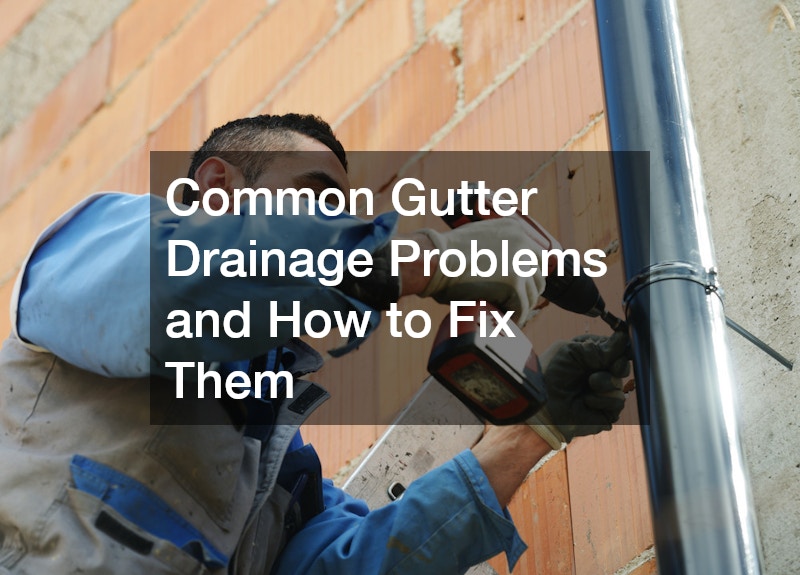
- Poor gutter drainage is a top cause of water damage.
- Common problems: clogged gutters, poor slope, broken downspouts, and faulty gutter installation.
- Fixes: DIY cleaning, downspout extensions, or upgraded drainage systems.
- Stormwater issues cost billions in property damage annually (Insurance Council of Australia).
- Regular maintenance + smart upgrades protect your home and save money.
Introduction
Proper gutter drainage is essential for protecting Australian homes from water damage, foundation erosion, and costly repairs. Yet, many homeowners only realize its importance when overflowing gutters, roof leaks, or flooding occur. With Australia experiencing extreme weather events—such as cyclones, heavy storms, and sudden flooding—that accounted for over 157,000 insurance claims and $2.2 billion in insured losses in 2023–24 (Insurance Council of Australia), maintaining an effective gutter system has never been more critical.
Our comprehensive guide, “Gutter Installation Made Simple: Costs, Materials & Maintenance,” is designed to help homeowners navigate every aspect of gutters. From choosing the right materials like steel, aluminium, PVC, or copper, to understanding installation techniques, maintenance schedules, and drainage solutions, this resource covers it all. Proper installation according to Australian standards (Standards Australia) ensures your gutter system meets slope, downpipe spacing, and stormwater compliance requirements, reducing potential water damage and insurance complications.
Following local stormwater regulations (Sydney Water) and staying informed about rainfall intensity and extreme weather patterns (Bureau of Meteorology) further safeguards your home. Well-maintained gutters also enhance property aesthetics and value by preventing water damage to walls, landscaping, and foundations (Realestate.com.au).
In this article, we’ll explore common gutter drainage problems, practical DIY fixes, professional installation tips, seasonal maintenance checklists, and eco-friendly solutions such as rainwater harvesting. By following these guidelines, Australian homeowners can protect their property, maintain structural integrity, and increase home value, while ensuring their gutter system withstands even the harshest weather conditions.
Why Proper Gutter Drainage Matters for Australian Homes
Proper gutter drainage is crucial for maintaining your home’s structural integrity. Inefficient rainwater management can lead to water seeping into walls, eroding soil around your property, and creating standing water that encourages mould growth, timber rot, and structural weakening. Over time, these problems can result in costly repairs and damage landscaping, leading to poor curb appeal and reduced property value. For tips on maintaining a strong street presence, check Realestate.com.au – Street Appeal and Value.
Link Between Gutter Drainage and Home Insurance
Insurers increasingly assess stormwater management when evaluating claims. Homes with clogged, misaligned, or damaged gutters may face claim rejections if water-related damage occurs during severe storms or heavy rainfall. Compliance with Australian Standards AS/NZS 3500.3 ensures that your guttering system meets legal requirements for slope, downpipe spacing, and stormwater drainage connections, reducing both the risk of damage and potential insurance issues (Standards Australia).
A well-designed gutter system directs water away from foundations, preventing soil erosion and protecting surrounding infrastructure. Installing high-quality gutters, maintaining the correct slope, and integrating effective downspout extensions or drainage solutions can mitigate stormwater risks, safeguard your home, and enhance long-term property value.
Investing in proper gutter drainage is not just routine maintenance—it is a proactive measure to protect your home, ensure insurance compliance, and preserve your property’s value and safety for years to come.
Common Gutter Drainage Problems
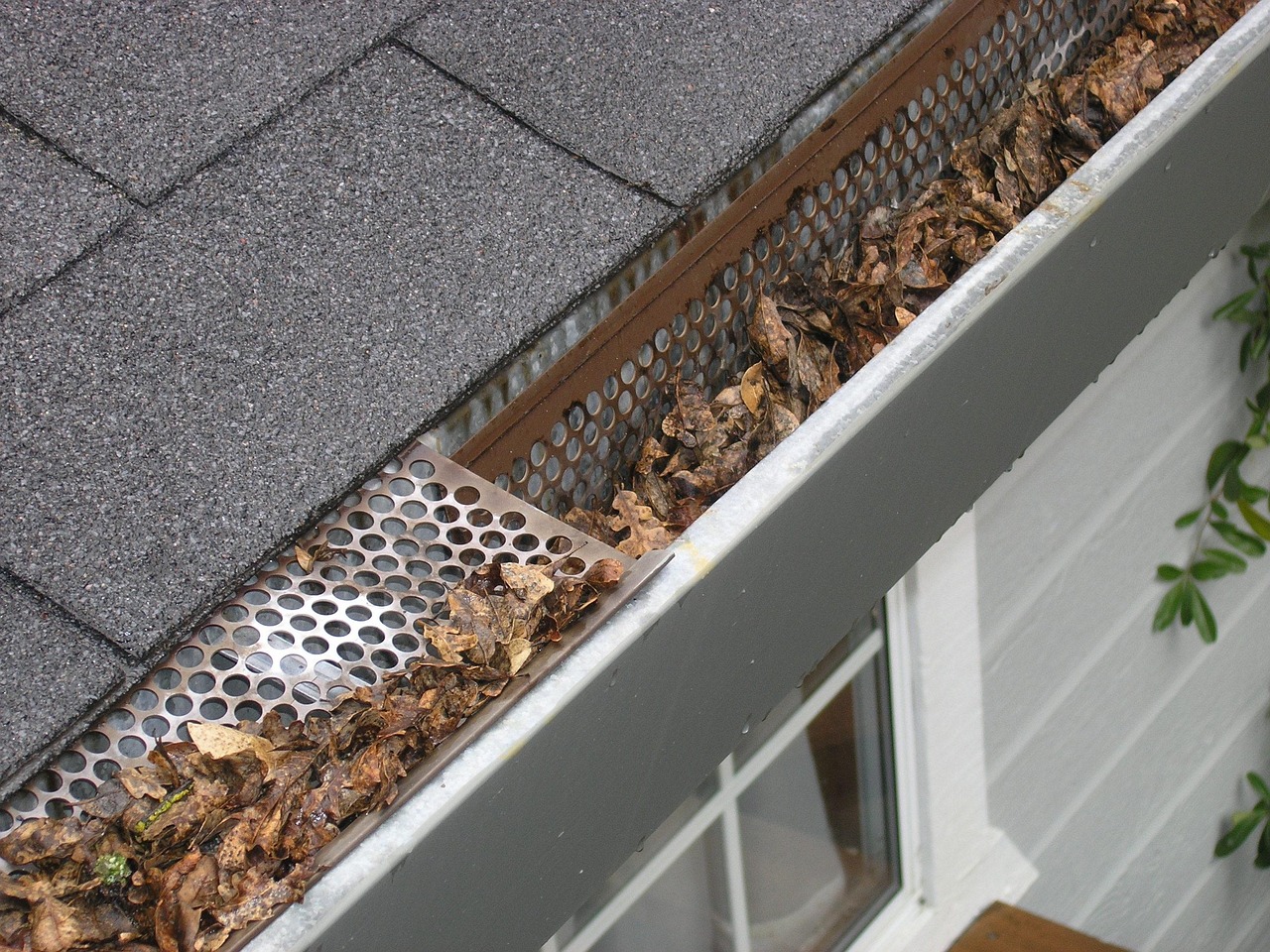
Effective gutter drainage is vital for protecting your home from water damage. Many homeowners face recurring issues that compromise the system’s efficiency.
Clogged Gutters and Downspouts
Causes / Reasons:
-
Accumulation of leaves, twigs, dirt, and bird nests.
-
Poorly installed or narrow downpipes that restrict water flow.
-
Lack of gutter guards or irregular cleaning.
Effects:
-
Overflowing gutters damaging fascia boards and walls.
-
Garden erosion and soil displacement.
-
Potential mould and timber rot near affected areas.
Fixes:
-
Clean gutters at least twice a year (pre-summer and post-autumn).
-
Install gutter guards to reduce debris buildup.
-
Ensure downpipes are correctly sized and aligned.
Poor Gutter Slope or Misalignment
Causes / Reasons:
-
Incorrect installation of gutter brackets or uneven roofline.
-
Shifting or sagging gutters due to age, weight, or storm damage.
-
DIY installations without proper leveling.
Effects:
-
Standing water in gutters causing mosquito breeding.
-
Corrosion and rust formation over time.
-
Reduced water flow leading to overflow during heavy rainfall.
Fixes:
-
Realign gutters using a level and adjust brackets.
-
Maintain a slope of 3mm per metre toward downpipes.
-
Ensure secure fastening for durability.
Broken or Disconnected Downspouts
Causes / Reasons:
-
Impact damage from ladders, hail, or falling branches.
-
Wear and tear due to age, rust, or poor-quality materials.
-
Improper installation or detachment during storms.
Effects:
-
Water pooling near foundations, causing soil erosion.
-
Yard flooding and potential structural damage.
-
Inefficient stormwater management.
Fixes:
-
Replace or reconnect damaged downpipes.
-
Use splash blocks or extensions to redirect water safely.
-
Connect downspouts to stormwater systems where permitted.
Inadequate Gutter Size or Old Systems
Causes / Reasons:
-
Older half-round gutters unable to handle modern rainfall intensity.
-
Undersized gutters that overflow in heavy storms.
-
Outdated materials prone to rust or cracking.
Effects:
-
Overflow leading to foundation and landscape damage.
-
Increased maintenance costs due to frequent blockages.
-
Reduced property value from poor drainage management.
Fixes:
-
Upgrade to high-capacity gutters (125mm+).
-
Choose durable materials like Colorbond® steel or aluminium.
-
Ensure proper integration with downpipes and stormwater outlets.
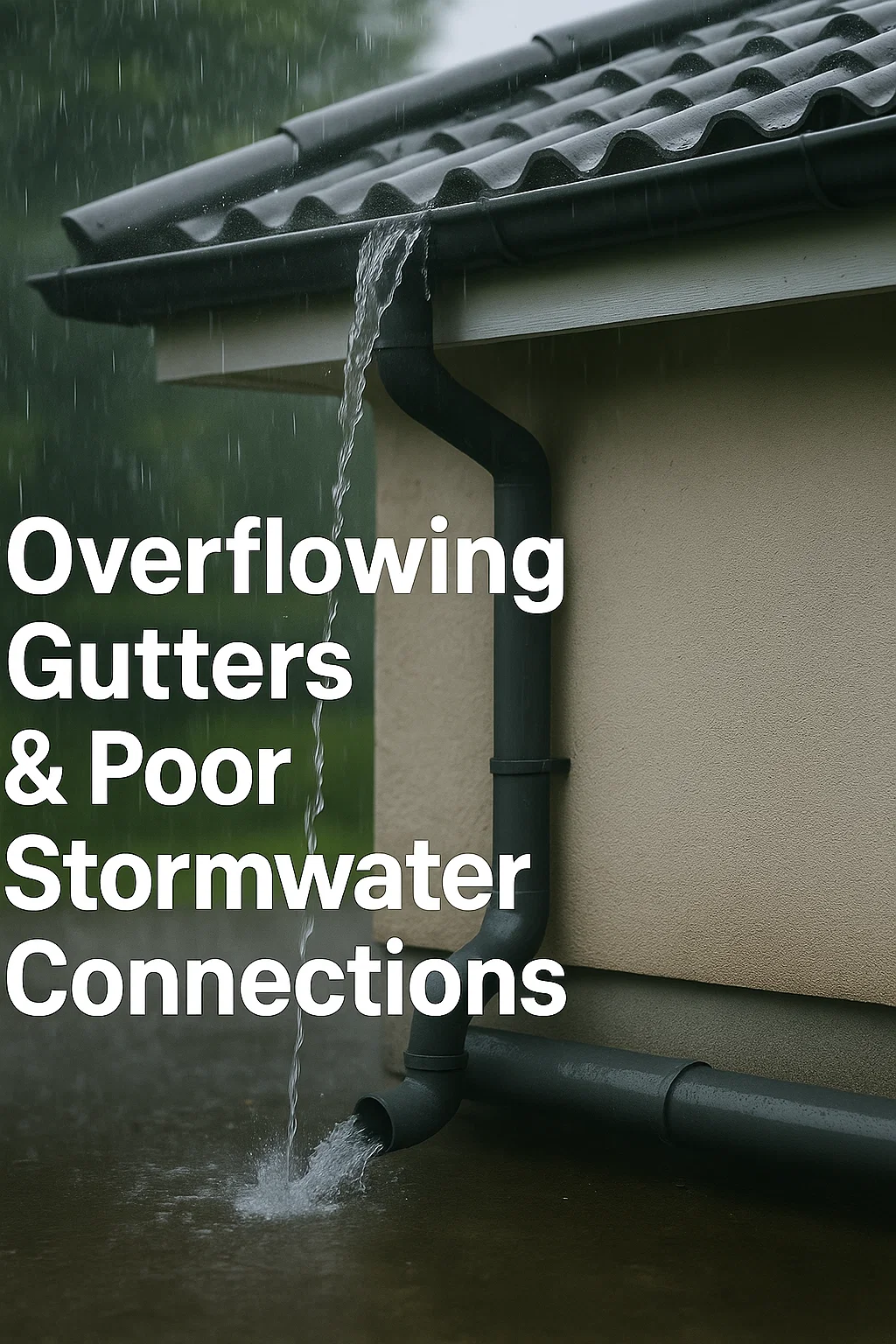
Overflowing Gutters & Poor Stormwater Connections
Causes / Reasons:
-
Blocked downpipes or missing overflow outlets.
-
Undersized gutters for local rainfall patterns.
-
Poor connection to council stormwater mains or soak wells.
Effects:
-
Flooding near foundations and landscaping areas.
-
Water damage to walls, basements, and neighbouring properties.
-
Increased risk of insurance claim complications.
Fixes:
-
Install high-capacity gutters and maintain clear downpipes.
-
Verify proper connection to council stormwater mains.
-
Add overflow outlets if required to prevent backups.
How to Fix Gutter Drainage Problems (Step-by-Step Solutions)
Maintaining proper gutter drainage is essential to prevent water damage, foundation issues, and landscape erosion. Homeowners can tackle many problems with practical DIY solutions, while some upgrades may require professional assistance.
DIY Maintenance Tips for Homeowners
Regular cleaning is the simplest and most effective way to prevent clogged gutters. Clean gutters at least twice a year—ideally before summer bushfire season and after autumn leaf fall. Use tools such as gutter scoops, leaf blowers, or specialized cleaning attachments to remove debris safely. Always prioritize safety: ensure ladder stability, wear gloves, and use PPE such as eye protection. Installing gutter guards can significantly reduce debris accumulation and minimize cleaning frequency.
Improving Slope and Realignment
Incorrect gutter slope is a common cause of standing water and poor drainage. In Australia, gutters should slope 3mm per metre toward downpipes to maintain efficient water flow. Homeowners can adjust slope using a level, brackets, and screws. Check alignment along the entire gutter run and secure brackets firmly. This adjustment helps prevent mosquito breeding, rust, and overflow during heavy rainfall.
Installing Downspout Extensions & Diverters
Redirecting water away from foundations is critical to avoid yard flooding and foundation damage. Homeowners can install downspout extensions, splash blocks, or underground drains to ensure water flows safely into garden beds, stormwater drains, or soak wells. Flexible extensions make it easier to guide water around landscaping features. Properly connected downspouts also comply with local stormwater drainage regulations, helping avoid potential fines.
Upgrading with Modern Gutter Installation
Upgrading to high-capacity gutters designed for Australian rainfall ensures your system handles extreme weather. Compare materials: Colorbond® gutters offer durability and corrosion resistance, while PVC gutters are lightweight and budget-friendly. Regardless of material, ensure compliance with AS/NZS 3500.3, which sets standards for gutter slope, downpipe spacing, and stormwater connections.
Eco-Friendly Gutter Drainage Fixes
For sustainable water management, consider linking gutters to rainwater tanks, which are mandatory in some Australian states. Installing permeable garden drainage or connecting gutter outlets to irrigation systems can reduce stormwater runoff while supporting garden health. These eco-friendly solutions not only protect your property but also contribute to environmental sustainability.
By combining regular maintenance, slope correction, proper downspout management, modern gutter upgrades, and eco-friendly solutions, homeowners can ensure long-term gutter drainage efficiency, protect their home from water damage, and reduce costly repairs.
Preventing Future Gutter Drainage Issues
Maintaining efficient gutter drainage requires proactive measures to prevent recurring problems. Two key strategies include using gutter guards and following a seasonal maintenance checklist.
Gutter Guards – Do They Work?
Gutter guards are designed to minimize debris accumulation and reduce the risk of clogs. Common types include mesh screens, foam inserts, and brush guards. These solutions help prevent leaves, twigs, and other debris from entering your gutters, ensuring rainwater flows freely through the system.
Pros:
- Significantly reduce gutter cleaning frequency
- Prevent clogs and overflow during heavy rain
- Protect fascia boards and foundations from water damage
Cons:
- Occasional maintenance is still required to remove fine debris and dirt
- Some guards may not fit older or irregular gutter profiles
Seasonal Checklist for Homeowners
Proactive seasonal checks help maintain long-term gutter drainage efficiency:
Pre-storm season:
- Inspect and clean gutters and downpipes
- Ensure gutters have the correct slope (3mm per metre)
- Check for loose brackets or misaligned sections
Post-storm season:
- Inspect gutters for blockages, cracks, or rust
- Ensure downspouts and splash blocks are clear and functioning
- Check for pooling water near foundations or garden beds
By combining gutter guards with regular seasonal inspections, homeowners can prevent most drainage issues, reduce the risk of yard flooding, and protect their home’s foundations. Proactive care not only extends the life of your gutters but also ensures compliance with stormwater drainage standards and reduces costly water damage repairs.
Cost of Fixing Gutter Drainage Problems in Australia
The cost of addressing gutter drainage issues varies depending on the severity of the problem and whether you choose DIY solutions or professional services.
DIY Cleaning: Simple tasks such as clearing leaves, debris, and minor blockages typically cost between $0–$200, depending on the tools you use and the size of your property.
Minor Repairs: Fixing misaligned gutters, replacing small sections of downpipes, or installing extensions can cost $150–$500. These minor interventions often prevent more significant problems if addressed promptly.
Full Gutter Installation or Replacement: For older or inadequate systems, complete replacement may be necessary. Costs generally range from $2,000–$5,000, influenced by home size, gutter material, and installation complexity.
Investing in proper gutter installation and regular maintenance reduces long-term repair costs associated with roof water management, foundation erosion, and yard flooding prevention. Proactive care ensures your home remains protected while maintaining property value and compliance with stormwater drainage standards.
FAQs (People Also Ask)
How do I know if my gutter drainage is failing?
Look for water pooling near foundations, basement leaks, overflowing gutters, or erosion in garden beds. These signs indicate that your rainwater drainage system may not be functioning properly.
Can bad gutter installation cause water damage?
Yes. Poor gutter installation, incorrect slope, blocked downpipes, or unsuitable materials can lead to structural damage, mould growth, and yard flooding.
What’s the cheapest way to fix gutter drainage problems?
Simple measures such as regular gutter cleaning, installing gutter guards, and adding downspout extensions are cost-effective solutions that improve water flow without major renovation.
Do I need council approval for new gutter installation in Australia?
Minor repairs usually don’t require approval. Major connections to stormwater drainage mains may need council consent.
How often should gutters be cleaned in Australia?
Clean at least twice yearly, before summer and after autumn, to prevent clogs and maintain proper roof water management.
Conclusion & Key Takeaways
Proper gutter drainage is essential for protecting Australian homes from water damage, foundation erosion, and costly repairs. Poorly maintained gutters—whether clogged, misaligned, undersized, or broken—can lead to overflowing, yard flooding, timber rot, and even insurance complications.
By following the step-by-step solutions outlined in this guide, homeowners can proactively safeguard their property:
-
Clean and maintain gutters regularly to prevent blockages and overflow. Gutter guards can reduce debris accumulation and extend the system’s lifespan.
-
Correct gutter slope and alignment to ensure efficient water flow and prevent standing water, rust, and mosquito breeding.
-
Repair or replace broken downspouts and ensure proper stormwater connections to protect foundations and landscaping.
-
Upgrade old or undersized gutters with high-capacity, durable materials like aluminium, Colorbond®, or copper for extreme rainfall.
-
Install overflow outlets and downspout extensions to safely redirect water away from your home and avoid flooding.
-
Follow seasonal maintenance checklists to inspect, clean, and monitor your gutter system throughout the year.
-
Adopt eco-friendly solutions, such as connecting gutters to rainwater tanks or irrigation systems, for sustainable water management.
Investing in proper gutter installation, maintenance, and smart upgrades ensures your home is protected against Australia’s unpredictable weather. For full guidance on selecting the right materials, understanding installation techniques, and planning costs, refer to our pillar resource: Gutter Installation Made Simple: Costs, Materials & Maintenance.
Maintaining an efficient gutter system not only preserves your home’s structural integrity but also boosts property value, reduces long-term repair costs, and keeps you compliant with Australian Standards AS/NZS 3500.3. By taking these proactive steps, you can enjoy peace of mind knowing your gutters are prepared for every storm.
In summary: Combining regular maintenance, proper installation, eco-friendly upgrades, and seasonal inspections ensures your gutters function efficiently, protects your home, and safeguards your investment for years to come.
References / Sources