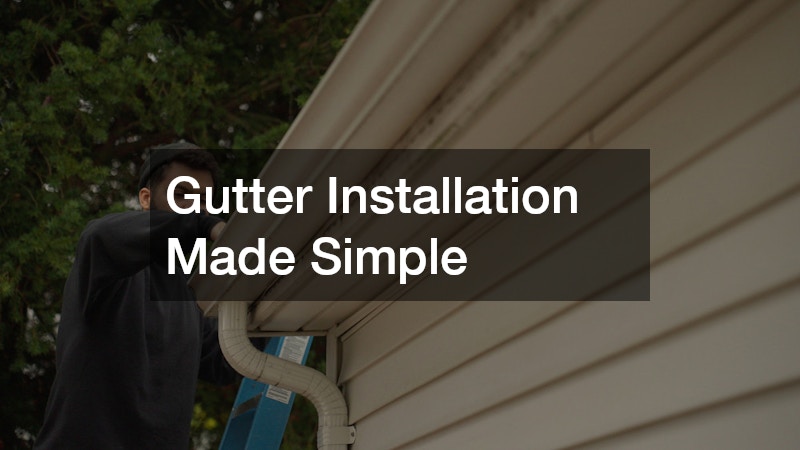
- Proper gutter installation protects your home from water damage, foundation cracks, and landscaping erosion.
- Costs in Australia range from $30 – $120 per metre, depending on materials like steel, aluminium, or PVC.
- Popular gutter materials: Colorbond steel, aluminium, PVC/vinyl, copper, and zincalume.
- Gutter drainage is just as important as installation—downpipes, slope, and stormwater connections prevent overflow.
- Maintenance: Clean gutters at least twice a year, more if you have trees nearby.
- DIY is possible for simple PVC installations, but professional installation is recommended for steel or multi-storey homes.
- Lifespan: Steel gutters last 20–25 years, aluminium 25–30 years, copper over 50 years with care.
- Regular inspection and gutter guards reduce blockages from leaves and debris.
Why Gutter Installation Matters for Australian Homes
When most homeowners think about home improvement, gutters rarely top the list. Yet, gutter installation is one of the most crucial aspects of protecting your property. A well-designed gutter system channels rainwater away from your roof, walls, and foundation, preventing costly water damage.
According to the Insurance Council of Australia, water damage is among the most common home insurance claims, often caused by poor gutter drainage and blocked systems. With Australia’s diverse climate—from heavy tropical rainfalls in Queensland to dry heatwaves in Western Australia—gutters need to be properly installed and maintained.
This guide will take you through everything you need to know about gutter installation: costs, materials, drainage considerations, DIY vs. professional installation, and ongoing maintenance.
What is a Gutter System?
A gutter system is an essential part of a home’s rainwater management strategy. It protects your property by safely directing rainfall away from your roof, walls, and foundation. While gutters might look like a simple trim along your roofline, they form an interconnected system that shields your home from costly water damage.
A standard gutter setup consists of:
- Horizontal gutters that run along the roofline to collect rainwater.
- Downpipes (or downspouts) that transport water from the gutters to the ground.
- Gutter drainage systems, which redirect water safely away from the house, often into stormwater drains or designated soak wells.
In Australia, where heavy rainfall and sudden storms are common in many regions, gutters play a critical role in home maintenance. Without a proper installation, rainwater can:
- Seep into exterior walls, leading to mould growth and structural decay.
- Cause soil erosion around your garden beds and landscaping.
- Pool around the foundation, increasing the risk of basement flooding or slab movement.
Beyond protecting your home, gutters also preserve your outdoor spaces. For example, when linked with a gutter drainage solution, runoff can be redirected to garden irrigation systems or rainwater tanks, helping homeowners save on water bills while promoting sustainability.
Homeowners often underestimate the importance of gutter systems until problems arise. According to the Insurance Council of Australia, water damage is one of the leading causes of home insurance claims nationwide. Many of these claims could have been avoided with proper gutter installation and maintenance.
Put simply: gutters are more than just a functional addition—they’re a long-term investment in safeguarding your home. A well-installed and maintained gutter system not only prevents damage but also adds value, efficiency, and resilience to your property.
Types of Gutters and Materials Explained
When choosing a gutter system, homeowners need to consider style, durability, and cost. The right material can improve both performance and curb appeal. Below are the most common types used in Australian homes:
1. Aluminium Gutters
Aluminium is the most popular gutter material thanks to its lightweight, rust-resistant nature. It’s available in a wide range of Colorbond® finishes, allowing homeowners to match their roof and exterior design seamlessly.
- Pros: Affordable, low-maintenance, weather-resistant.
- Cons: Can dent under heavy impact.
- Best for: Homeowners wanting a cost-effective, long-lasting solution.
2. Steel Gutters (Colorbond® / Galvanised)
Steel gutters, especially Colorbond® steel, are extremely durable and handle Australia’s harsh climate well. They’re ideal for coastal areas where saltwater exposure is a concern.
- Pros: Strong, long lifespan, modern colour range.
- Cons: Higher upfront cost than aluminium.
- Best for: Properties needing resilience against extreme weather.
3. Vinyl (PVC) Gutters
Vinyl gutters are lightweight and easy to install, often used in DIY projects. They resist rust and corrosion but may become brittle over time in strong UV conditions.
- Pros: Low cost, easy installation, rust-proof.
- Cons: Not as durable, limited colour range.
- Best for: Budget-conscious or temporary solutions.
4. Copper Gutters
Copper gutters are the premium choice, offering a timeless look that develops a natural patina over time. While costly, they add value and sophistication.
- Pros: Extremely durable, aesthetic appeal, eco-friendly.
- Cons: High cost, requires professional installation.
- Best for: Heritage or high-end homes.
👉 Pro Tip: Always balance aesthetics with functionality. For instance, while copper gutters may boost property value, Colorbond® steel gutters are often the smartest choice for long-term weather protection in Australian conditions.
The Role of Gutter Drainage in Installation
Why Gutter Drainage Matters
Even the best-installed gutter systems won’t work properly without effective gutter drainage. If gutters don’t carry water away from the house, problems arise quickly—overflowing gutters can stain walls, cause roof leaks, erode garden beds, and even undermine your home’s foundation. In Australia, where sudden downpours are common, poor drainage is one of the leading causes of water damage to homes. A well-planned drainage system ensures that every drop of water collected by your gutters is safely redirected away from your property.
Gutter Drainage Options
Homeowners have several options to manage runoff:
- Downpipes to stormwater drains – The most common choice for suburban homes.
- Soak wells – Useful for properties without street drainage, allowing water to naturally seep back into the soil.
- Rainwater tanks – A popular eco-friendly option, especially in regional Australia, where harvested water can be reused for gardens or household supply.
💡 Tip: To prevent overflow, ensure your gutters slope at 1:500 (about 2mm per metre) towards each downpipe.
Signs of Poor Drainage
Watch for these red flags:
- Water pooling near your foundation
- Gutters overflowing during moderate rain
- Mould or damp patches on external walls
📌 Proper gutter drainage ensures your investment in gutter installation lasts longer and protects your home’s value.
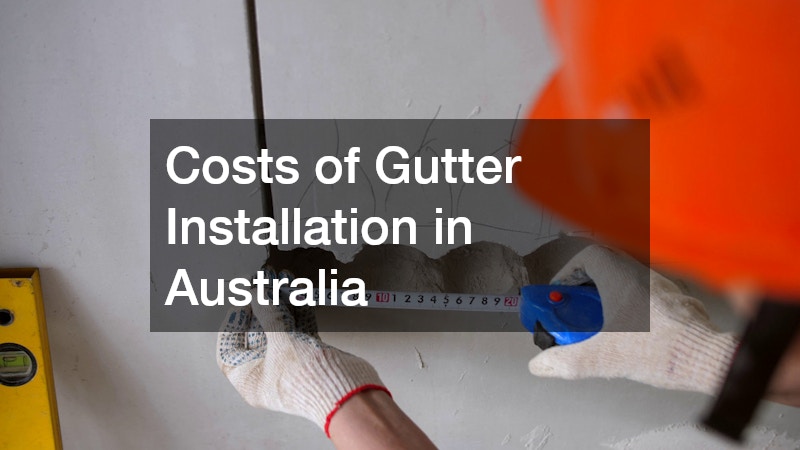
When budgeting for a new gutter system, it’s important to look beyond just the gutters themselves. Costs vary depending on materials, property size, roof style, and the complexity of installation. Investing in quality materials and professional installation not only protects your home but also saves you from expensive repairs down the track.
Average Installation Costs
Different gutter materials come with varying price points and lifespans:
- PVC gutters: The most affordable option at $30–$50 per metre installed, ideal for budget-conscious homeowners but less durable in Australia’s harsh UV conditions.
- Aluminium gutters: Lightweight, rust-resistant, and priced at $35–$55 per metre installed. Popular for modern homes.
- Steel gutters (Colorbond or Zincalume): Strong and durable at $40–$65 per metre installed, offering great weather resistance.
- Copper gutters: A premium choice at $90–$120 per metre installed, adding heritage charm and longevity.
Labour Costs
Professional gutter installers typically charge $40–$70 per hour, depending on location and expertise. Homes with multiple storeys or complex roof designs may attract higher costs due to scaffolding or safety equipment requirements.
Extra Costs to Consider
In addition to gutters, homeowners should budget for:
- Downpipes: $100–$200 each, depending on size and material.
- Gutter guards: $20–$30 per metre, helping prevent blockages from leaves and debris.
- Stormwater connections: $600–$1,200, especially if the distance to street drainage is long.
💡 Tip: While cheaper options may look attractive, quality gutter installation pays for itself by preventing costly water damage.
DIY vs. Professional Gutter Installation
DIY Installation
For homeowners who enjoy hands-on projects, DIY gutter installation can be a cost-effective option. It’s most suitable for lightweight materials such as PVC or aluminium gutters, which are easier to cut, handle, and join. Basic tools like ladders, hacksaws, drills, sealants, and safety gear are essential. While the upfront costs are lower—since you save on labour—there’s a higher risk of mistakes if gutters aren’t aligned or sloped correctly. Improper installation can lead to leaks, overflow, or even structural damage over time, which may cost more to repair. Homeowners should also factor in personal safety, as working at heights carries risks, especially without the right protective equipment.
Professional Installation
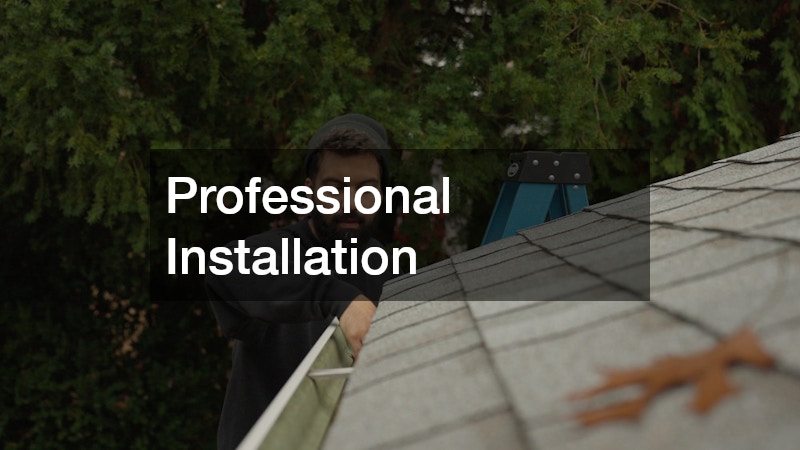
Hiring a professional gutter installer ensures precision and long-term reliability. Experienced tradespeople have the expertise to set the correct slope (typically 1:500), secure gutters to withstand heavy rain, and integrate downpipes into your stormwater system. This is especially important for multi-storey homes, where safety risks and scaffolding requirements make DIY impractical. Professional installation also typically comes with workmanship warranties, providing peace of mind that any issues will be addressed. Although labour costs can increase total expenses, the investment reduces the likelihood of costly water damage repairs in the future.
💡 Actionable Advice: If you own a single-storey home and are confident with tools, a DIY approach can save you up to 30% on gutter installation costs. However, for steel, copper, or multi-storey properties, hiring a professional is always the safer and more reliable choice.
Common Problems in Gutter Installation
Incorrect Slope
One of the most common mistakes in gutter installation is setting the wrong slope. Gutters need a slight gradient—typically around 3mm per metre—to allow rainwater to flow smoothly toward the downpipes. If the slope is too shallow, water will pool and overflow, leading to stains, leaks, and possible foundation issues. On the other hand, a slope that’s too steep may cause water to rush too quickly, overwhelming the downpipes. Both scenarios reduce the system’s effectiveness and can shorten the lifespan of your gutters.
Insufficient Downpipes
Another frequent error is not installing enough downpipes. According to Australian Standards (AS/NZS 3500.3), homes should have at least one downpipe for every 12 metres of guttering. Skipping this requirement puts too much pressure on the existing pipes, causing water to back up during heavy storms. The result? Overflow, garden erosion, and potential basement flooding. Proper downpipe placement is just as critical as the gutters themselves, ensuring efficient drainage across the entire roofline.
Using Wrong Materials
Choosing the wrong gutter material can lead to costly problems down the track. For example, PVC gutters are affordable but may warp or crack under the intense heat of Australian summers, particularly in states like Queensland or WA. Meanwhile, standard steel gutters may corrode prematurely in coastal regions unless protected with a Colorbond® or Zincalume® coating. Always select materials suited to your local climate conditions—this not only extends durability but also reduces ongoing maintenance.
👉 Pro Tip: When in doubt, consult a licensed installer to ensure compliance with Australian building codes and to avoid expensive rework.
Environmental Benefits of Proper Gutters
Installing gutters isn’t just about protecting your home—it also supports a healthier environment. A well-designed guttering system allows you to collect and reuse rainwater, reducing reliance on mains supply. In many Australian homes, harvested rainwater is used for watering gardens, washing cars, and even supplying household toilets and laundries. According to the Australian Government’s Rainwater Harvesting guidelines, this simple practice can significantly cut water bills while easing demand on precious water resources.
Proper gutters also play a key role in preventing soil erosion and waterlogging. Without adequate drainage, heavy rain can wash away topsoil, damage landscaping, and create muddy, unusable areas in your yard. Over time, this erosion affects plant growth and destabilises garden structures. By directing water safely away, gutters help maintain healthier soil and greener outdoor spaces.
Another major environmental advantage is the reduction of pressure on local stormwater infrastructure. During extreme rain events, poorly managed roof runoff can overwhelm drains, increasing the risk of street flooding and pollution of natural waterways. By capturing and redirecting water effectively, gutters reduce runoff volume and protect local ecosystems.
👉 Investing in proper gutters is not only smart for your home—it’s a sustainable choice for the community.
H2: FAQs About Gutter Installation in Australia
Q1: How often should gutters be replaced?
Most gutters last 20–30 years, depending on the material and level of maintenance.
Q2: Do I need gutter guards?
Yes—especially in bushfire-prone areas, where leaf build-up can be a fire hazard.
Q3: Can gutters connect to a rainwater tank?
Yes. Use a first flush diverter to keep collected water clean.
Q4: What is the best material for gutters in Australia?
Steel and aluminium are most common. Steel is strong, while aluminium resists corrosion.
Q5: How much does gutter installation cost per metre?
On average, $30–$60 per metre, depending on materials and complexity.
Q6: What’s the difference between gutter installation and gutter drainage?
Installation is the setup, while drainage ensures water flows safely away.
Q7: Do gutters increase home value?
Yes—proper guttering improves structural integrity and boosts buyer confidence.
Q8: Can I install gutters myself?
DIY works for PVC or aluminium on single-storey homes. For steel or copper, go professional.
Conclusion
Gutters play a crucial role in protecting your home from structural damage, soil erosion, and basement leaks. Choosing the right material is important—aluminium offers excellent corrosion resistance, steel provides strength and durability, and copper ensures long-lasting performance. Proper slope and downpipe spacing are essential for effective drainage, while regular maintenance, such as cleaning gutters twice a year and checking for cracks, rust, or sagging, extends their lifespan.
Installing gutter guards can help reduce leaf build-up, which is especially important in bushfire-prone areas. Additionally, integrating gutters with a rainwater harvesting system not only supports sustainability but can also cut down on water bills (see Australian Government Rainwater Harvesting Guidelines for details). For complex roof designs or multi-storey homes, professional installation is highly recommended to ensure safety and optimal performance (refer to Standards Australia – AS/NZS 3500.3 for proper installation standards).
In summary, the right gutters, installed and maintained correctly, protect your property, prevent costly repairs, and add long-term value while promoting environmental responsibility.