An air conditioner helps keep your home or workplace comfortable throughout Australia’s changing seasons. However, dust, dirt and other debris can gradually accumulate inside the system, affecting its performance and airflow. Regular cleaning helps maintain the unit’s condition and supports its efficient operation, particularly when it is used frequently during hot weather.
While basic maintenance can be completed at home, a professional service involves a more detailed inspection and cleaning process. Understanding what happens during an appointment can help you prepare for the visit and recognise the benefits of keeping your cooling system in good condition.
Inspecting the Air Conditioning System
Before beginning any cleaning work, a technician will typically inspect the air conditioner to assess its condition and identify areas that need attention. The process may involve checking the filters, indoor unit, outdoor condenser, drainage system and visible electrical components.
The technician may also run the system to check its operation, airflow and general performance. If unusual noises, unpleasant smells or water leaks are present, these concerns can help guide the inspection.
The exact process depends on the type of air conditioner installed. A wall-mounted split system, ducted system and commercial air conditioning unit may require different cleaning methods and equipment.
An initial inspection helps the technician determine the appropriate work and identify issues that may require repairs rather than cleaning alone.
Cleaning the Air Filters
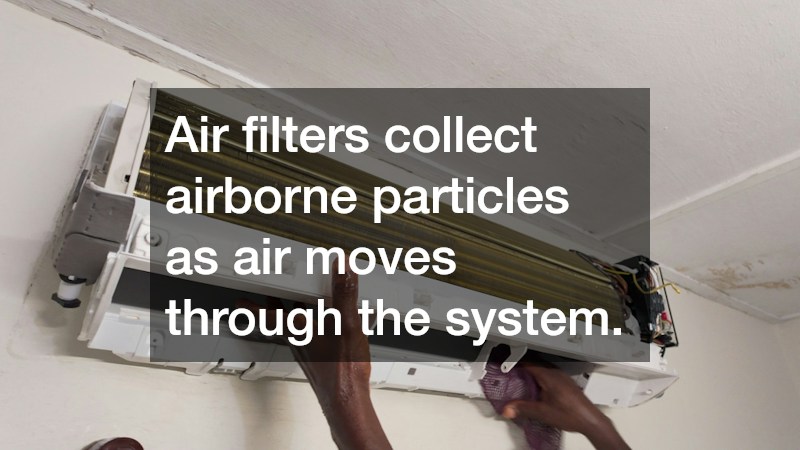
Air filters collect airborne particles as air moves through the system. Over time, dust and debris can build up on the filters, restricting airflow and making it harder for the unit to circulate air effectively.
During a professional service, the technician will usually remove accessible filters and clean them according to the manufacturer’s instructions. Depending on the filter type, this may involve vacuuming, washing or using another approved cleaning method.
The filters must be allowed to dry appropriately before being reinstalled if washing is suitable for that model. Some filters are disposable and need replacement rather than cleaning.
Regular filter maintenance is important between professional appointments, too. The recommended cleaning frequency varies according to the manufacturer’s instructions, how often the system operates and the conditions inside the property.
Cleaning the Indoor Unit and Coils
Dust can also accumulate on the indoor unit’s internal components, including the evaporator coil and fan. When these areas become dirty, airflow and heat exchange may be affected.
A professional technician may use specialised brushes, vacuum equipment and suitable cleaning products to remove accumulated debris. The method depends on the component’s condition and the manufacturer’s recommendations.
The evaporator coil plays an important role in cooling indoor air, so keeping it clean helps the system transfer heat effectively. However, delicate components need careful handling to avoid damage.
Professional air conditioning cleaning may also involve cleaning accessible surfaces around the unit and checking the condition of the fan and surrounding components. The technician should use appropriate procedures to protect electrical parts and prevent moisture from reaching areas that must remain dry.
Checking the Drainage System
Air conditioners can produce condensation during normal cooling operation. This moisture usually travels through a drainage tray and pipe to an appropriate discharge point.
If the drainage system becomes obstructed by dirt, algae or other debris, water may collect inside the unit or leak onto nearby walls and floors.
During servicing, a technician may inspect the drainage tray and pipework, remove blockages and check that water can drain away correctly. The specific procedure depends on the system’s design and the condition of its drainage components.
If you notice water dripping from your indoor unit or damp patches nearby, arrange an inspection rather than assuming the issue only requires routine cleaning. A blockage may be responsible, but other faults can produce similar symptoms.
Cleaning the Outdoor Unit
The outdoor unit contains components that release heat from the property. Leaves, dust, grass clippings and other debris can accumulate around the condenser, potentially restricting airflow.
A professional may remove loose debris from the surrounding area and clean accessible parts of the unit using appropriate equipment. The condenser coil may also need attention if dirt has built up on its surface.
Care is essential because the fins can bend easily, and excessive water pressure or unsuitable cleaning chemicals may damage the equipment. The technician should follow the manufacturer’s guidance and use suitable methods for the unit.
Keeping the outdoor unit clear of obstructions can help it operate under appropriate conditions. Homeowners can also check periodically that plants, stored items and garden debris are not blocking the surrounding space.
Testing the System After Cleaning
Once the cleaning work is complete, the technician may reassemble the unit, restore power and run the system to check its operation.
This can include assessing airflow, listening for unusual noises, checking cooling performance and confirming that the drainage system functions correctly. If a fault is identified, the technician may recommend additional testing or repairs.
Cleaning does not automatically resolve every performance problem. Issues involving refrigerant, electrical components, sensors or mechanical parts may require separate diagnostic work by an appropriately licensed professional.
Before the appointment ends, ask what was cleaned, whether any concerns were identified and what maintenance steps are recommended for your particular unit.
Keep Your Air Conditioner in Good Condition
Professional servicing can help remove accumulated dirt, maintain airflow and identify potential problems before they become more disruptive. The frequency of servicing depends on the equipment, usage and environmental conditions, so follow the manufacturer’s recommendations and seek advice from a qualified technician.
Between appointments, clean accessible filters as directed, keep the outdoor unit clear and pay attention to changes in performance.
With regular maintenance and timely professional attention, your air conditioner can remain better prepared to provide comfortable indoor temperatures throughout the year.